04Experiences
What remains only here
From the dodo to the kestrel
The dodo was a flightless bird endemic to Mauritius, and its closest living relative is the Nicobar pigeon. Its remains give it a height of 62.6 to 75 centimetres and a wild weight of 10.6 to 17.5 kilograms. It was hunted by sailors and by animals that came off the ships while its habitat was destroyed, and the last widely accepted sighting was in 1662. Its appearance in life is known only from seventeenth-century drawings, paintings and accounts. The Mauritius kestrel is an endemic bird of prey. In 1974 the world population was put at just six birds, two of them in captivity. By 2019 there were about 400, after years of breeding and release, and in March 2022 it was proclaimed the national bird. The pink pigeon nearly vanished too: ten birds in 1991, still under 500 in 2011, and moved to Vulnerable on the red list in 2018. It is the only Mascarene pigeon that did not go extinct. The kestrel lives in the forests, cliffs and ravines of the southwestern plateau, so a path in the gorges park is the best chance to see it, along with the pink pigeon and the endemic parakeet. The pink pigeon also lives on Île aux Aigrettes, a small predator-free island off the east coast, and it can be seen at Casela bird park near Flic-en-Flac.
- About 400 birds in 2019, after six known birds in 1974.
- The kestrel
- Ten birds in 1991, and under 500 in 2011.
- The pink pigeon
Highlights
- The dodoLast widely accepted sighting in 1662. It stood 62.6 to 75 centimetres tall.
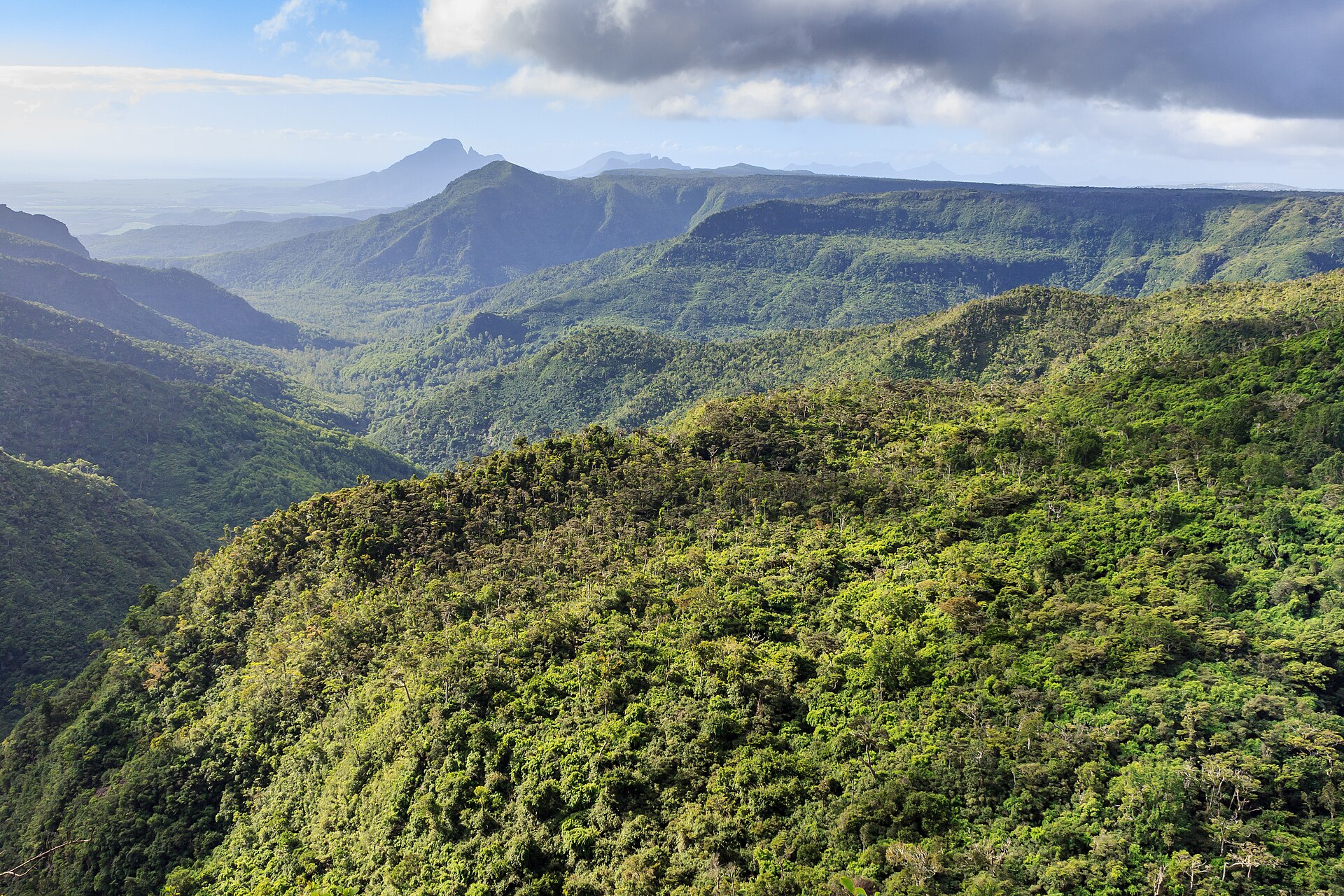
- Southwestern forestThe kestrel lives only in the forests of this plateau and on the cliffs.
- The only pigeon leftThe last Mascarene pigeon that did not go extinct, and it is still rare.