04Experiences
Music
Sega with both feet down
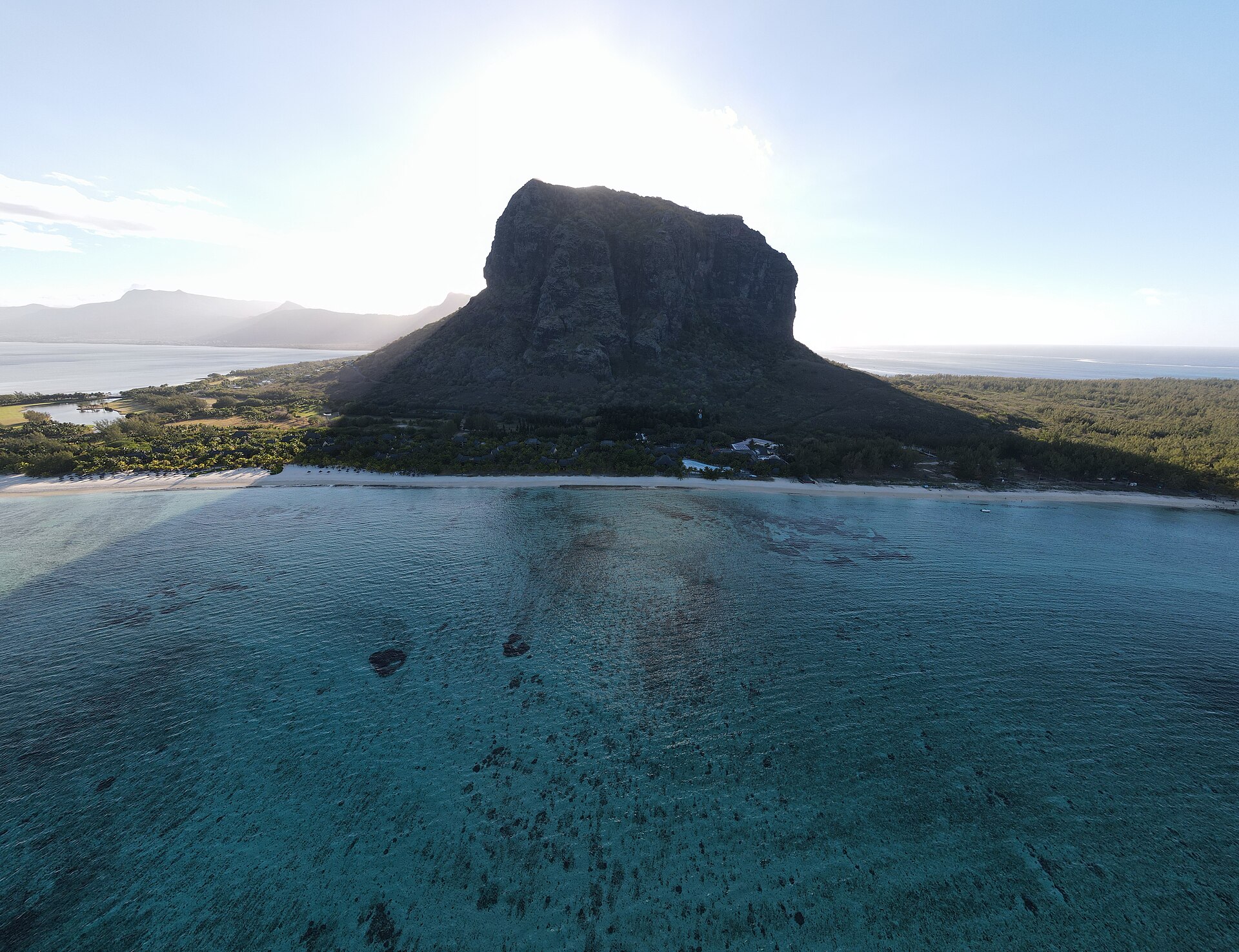
Sega is song, storytelling and dance, rooted in the music of enslaved people and their descendants, and it is usually sung in Creole. The traditional form was inscribed in 2014 on the Representative List of the Intangible Cultural Heritage, and the sega tambour of Rodrigues is on the intangible-heritage lists too. The instrument that never goes missing is the ravanne, a goatskin drum, joined by the triangle, the maravanne, a rattle, and the bobre, a bow. Electric guitar and keyboard join in now. The dance does not lift the feet off the ground. The waist and hips move, and the women’s wide skirts mark the motion. Into the 1960s sega stayed in private gatherings. The clearest turn was the Night of the Sega on Mount Le Morne on 30 October 1964, when Ti Frère sang. After that it became the music of the country, not the music of one group. On the beach at Flic-en-Flac at the weekend, sega is heard with guitar and ravanne. A song starts in a minor key and gradually picks up speed, the soloist improvises the words in Creole, and the dancers move around each other in short steps. On Rodrigues the sega tambour is sung in the island’s own Creole.
- 0 for traditional Mauritian sega.
- The list
- 0 October 1964 on Le Morne.
- Night of the Sega
Highlights
- The ravanneA goatskin drum, with the triangle and the bow.
- The stepBoth feet stay on the ground, and the movement is in the waist.