03Cities and regions
The high plateau
Lake Titicaca and Puno
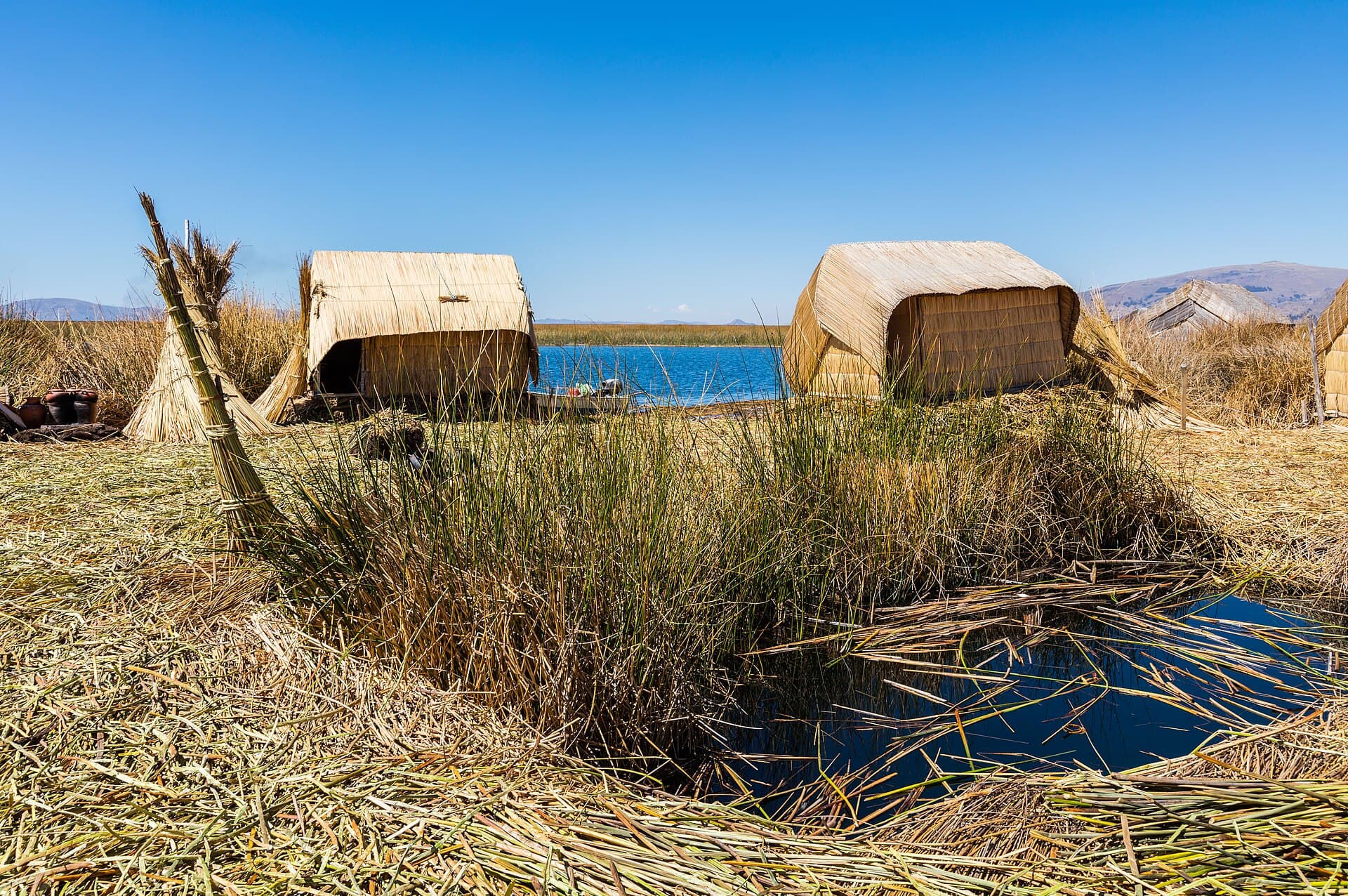
Lake Titicaca is the largest lake in South America, covering 8,372 square kilometres with its surface at 3,812 metres. Peru and Bolivia share it, and it holds 41 islands. On the Peruvian shore lies Puno, a city of about 135,000 people and the launch point for boats to the islands. The nearest are the floating Uros islands, built by their inhabitants from layers of totora reed that must be constantly renewed, with reed houses on top; about 1,200 Uros live on 60 islands near Puno. Farther out, 45 kilometres from the city, is Taquile, home to about 2,200 people whose handwoven textiles were proclaimed a UNESCO masterpiece of intangible heritage in 2005, and where the knitting is done by men. Amantani has around 4,000 inhabitants and terraced fields worked entirely by hand. Nights are bitterly cold at this altitude, so bring warm layers, and spend at least one night in Puno before any long trip on the water.
- 0 m
- Lake altitude
- 0 km²
- Area
- About 60
- Floating Uros islands
- About 2,200
- Taquile population
Highlights
- PunoThe lake port city, founded in 1668 and hemmed in by hills.
- TaquileA rocky island rising to 4,050 metres, famous for its handwoven textiles.
- AmantaniA round island of about 15 square kilometres, with terraces of wheat and potatoes and ruins on its two summits.