04Experiences
Living heritage
Wine from qvevri jars
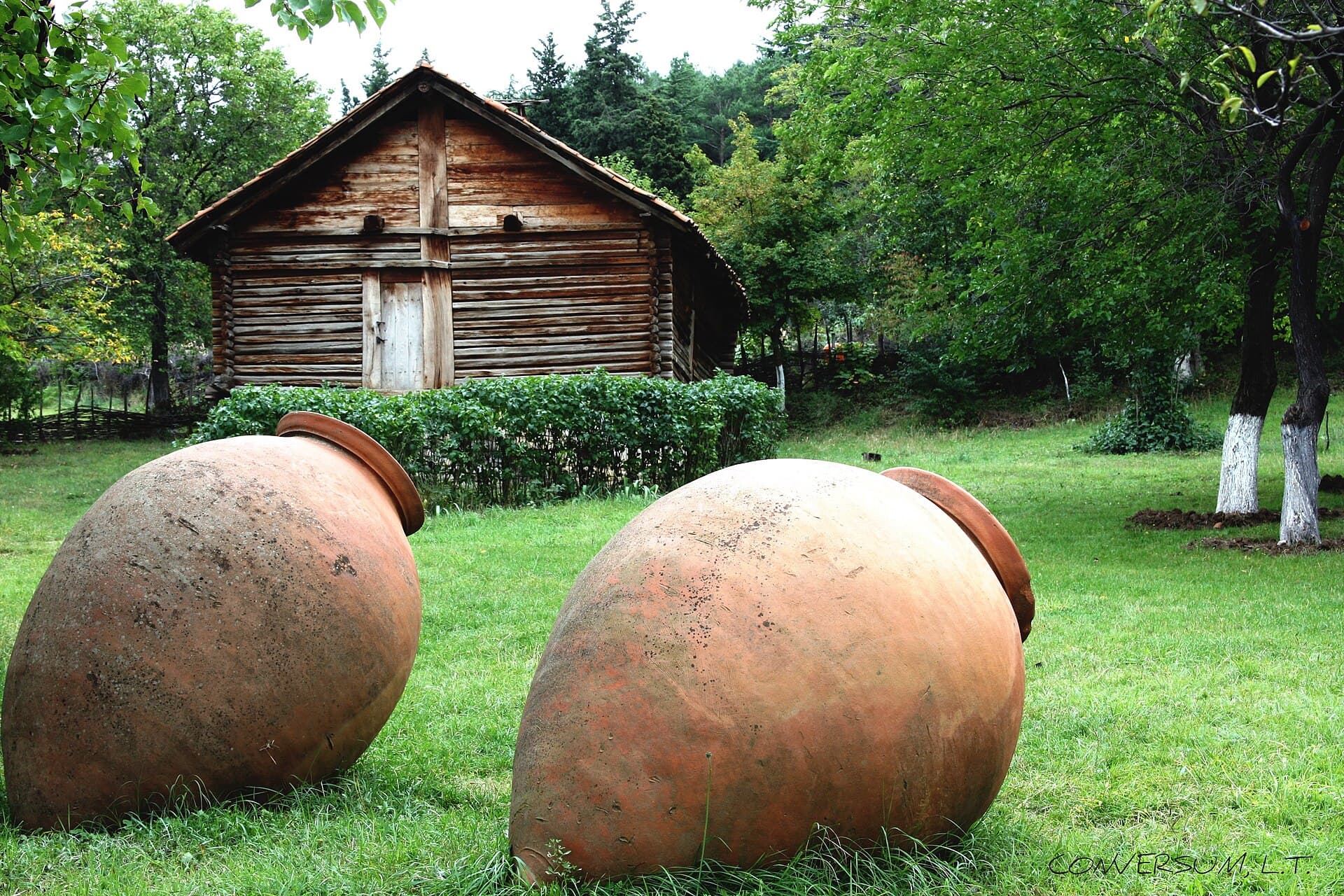
Georgia has some of the earliest known winemaking sites in the world, and from around 6000 BC people here grew grapes and buried clay vessels to keep their wine. These jars, called qvevri, look like large egg-shaped amphorae without handles and are sunk into the ground or set into the floors of wine cellars so that even the neck sits below ground level. The clay is chosen with care because it shapes the wine's character, and after each use the jar is washed, sterilised with lime and recoated inside with beeswax. In 2013 UNESCO added the traditional Georgian method of making wine in qvevri to its list of intangible cultural heritage. The country grows around 500 grape varieties; Saperavi, a deep red, and Rkatsiteli are among the best known. The leading wine regions lie in the east, in Kakheti and Kartli, where a growing number of small family wineries combine old qvevri methods with visits from travellers. Ask to see the buried jars in the cellar.
- 2013
- Qvevri winemaking added to UNESCO's intangible heritage list
- About 500
- Grape varieties in Georgia